
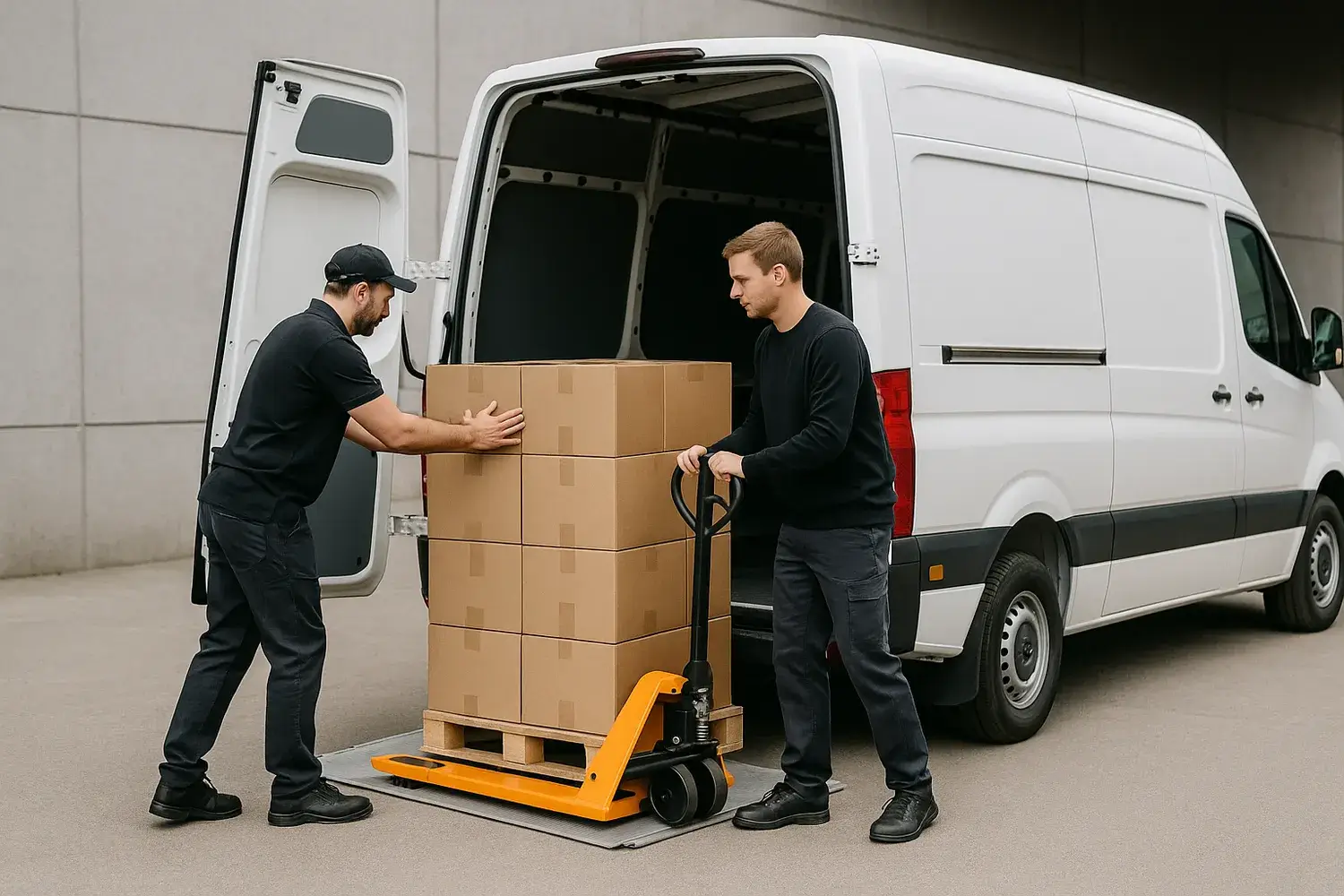
Digital revolution in light transport
The road transport sector is changing rapidly.
Small haulage companies that operate with vehicles up to 3.5 tonnes are finding that digitisation and monitoring of the fleet is not a luxury today, but a necessity.
GPS systems and telematics enable real-time tracking of vehicles, routes and drivers, resulting in lower costs and better customer service.
What is transport fleet management?
Fleet management means digitally planning, controlling and analysing the performance of all vehicles in a transport company.
Modern systems make it possible to check at a glance:
- the location of each vehicle,
- the number of kilometres travelled,
- fuel consumption,
- conformity of the ride with the plan.
This allows even a small company to operate with the same efficiency as a large logistics operator - without the need for additional staff.
Benefits of GPS systems in transport
Modern GPS systems are much more than simple location tracking.
The most popular solutions, such as Webfleet, Transics, Navifleet or Fleet Complete, offer:
- real-time vehicle tracking across Europe,
- reports on the driver's speed, working time and driving style,
- automatic notifications of delays or route changes,
- integration with invoicing and route planning systems.
Benefits for the company:
- fewer empty kilometres,
- reduced fuel consumption,
- higher punctuality,
- better communication with the customer.
Telematics - data that builds efficiency
Telematics combines data from the GPS with information from the vehicle, such as fuel consumption, engine speed or technical condition.
As of 2025, this is the standard in professional transport.
With telematics, companies can:
- reduce fuel wastage,
- improve drivers' driving style,
- plan the service in advance,
- optimise routes taking into account traffic jams and road conditions.
On average, a well-implemented telematics system allows save 10-15% in operating costs per year.
Safety and transparency in transport
GPS monitoring not only increases efficiency, but also safety.
In the event of theft or an accident, the vehicle can be located immediately.
In turn, customers gain confidence when they receive up-to-date information on delivery status and estimated time of arrival.
Transparency is becoming the new standard for business relationships in logistics.
The digital future of light transport
Fleet management is constantly evolving.
In the coming years, technologies based on AI and IoT sensors will allow the systems to stand on their own:
- plan routes taking into account the weather and traffic,
- anticipate failures before they occur,
- report CO₂ emissions for environmental certification.
Companies that invest in digital solutions now will gain a competitive advantage in the European market.
Summary: GPS and telematics as the foundation of modern transport
GPS and fleet management are no longer an add-on, but the cornerstone of modern logistics.
For transport up to 3.5 tonnes, the technology provides greater control, lower costs and customer satisfaction.
Carriers that use digital tools wisely are building fleets that are efficient, safe and environmentally friendly.


0 Comments